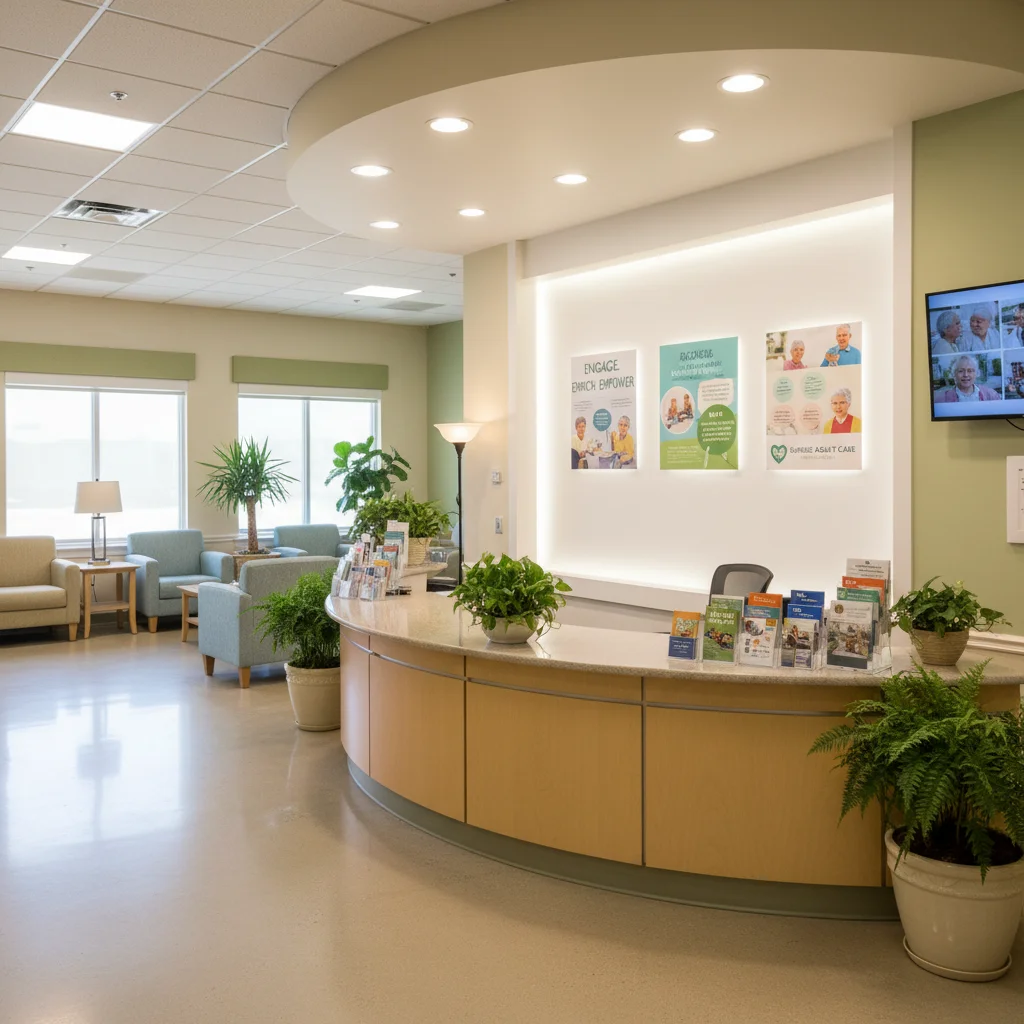
Starting or managing an adult day care (ADC) center is often driven by a desire to provide critical community support for seniors and their caregivers. However, for those approaching this as a business venture, the primary question remains: how much do adult day care owners make per month?
The answer is not a single fixed number. Unlike a salaried employee, an owner's income is a combination of a base owner-operator salary and the net profit (retained earnings) of the business. Depending on the scale of the facility, the funding sources, and the operational efficiency, monthly earnings can vary from a modest living wage to significant six-figure annual incomes.
Understanding the Components of Owner Compensation
To determine how much adult day care owners make per month, it is essential to distinguish between "salary" and "profit."
The Owner-Operator Salary
In many small to mid-sized centers, the owner also serves as the Executive Director. In this role, they pay themselves a fair market salary. According to the U.S. Bureau of Labor Statistics (BLS), managers in healthcare and social assistance roles see varying pay scales based on the size of the organization. An owner acting as a manager may set a monthly salary that covers their personal living expenses, ensuring the business's overhead is accurately tracked.
Net Profit and Distributions
Beyond the salary, the owner earns the "bottom line"—the money left over after all expenses (rent, staff, insurance, utilities, and food) are paid. Owners may choose to reinvest this profit back into the facility to grow the business or take it as a monthly or quarterly distribution.
How Much Do Adult Day Care Owners Make Per Month?
Because ADCs are often private businesses or non-profits, there is no single government database that lists a standard "owner's salary." However, we can extrapolate earnings based on typical revenue models and operational costs.
Small-Scale/Home-Based Centers
Owners of small, home-based adult day cares typically have lower overhead but limited capacity. These owners often make a modest monthly income. Because they are often the primary caregiver, their "salary" is essentially the net profit of the business. In these cases, monthly earnings often range from a few thousand dollars to a mid-level professional salary, depending on the number of clients served.
Mid-Sized Commercial Centers
A commercial center serving 20 to 50 participants operates on a much larger scale. Revenue is generated through daily rates, which can range significantly. For example, according to Genworth's Cost of Care Survey, the cost of care for seniors varies by state and service level.
If a center generates $50,000 in monthly revenue and maintains a healthy profit margin of 10% to 20%, the business profit would be $5,000 to $10,000 per month. If the owner also draws a management salary of $5,000 per month, their total monthly take-home could be between $10,000 and $15,000.
Large-Scale Multi-Site Operations
Owners who scale their business to multiple locations often transition from "operator" to "investor." At this level, the monthly income is driven by the aggregated profits of multiple centers. These owners can see monthly distributions in the tens of thousands of dollars, though they typically employ professional managers to run the day-to-day operations.
Key Factors Influencing Monthly Earnings
The volatility in how much adult day care owners make per month is driven by four primary variables:
1. Reimbursement Models (Medicaid vs. Private Pay)
The source of funding drastically impacts the margin.
- Private Pay: These centers can set their own rates, often leading to higher margins if the service is premium.
- Medicaid/Government Funded: While these provide a steady stream of clients, reimbursement rates are set by the state. According to the Centers for Medicare & Medicaid Services (CMS), reimbursement varies by state and program, which can either cap an owner's profit or provide a guaranteed floor of income.
2. Staffing Ratios and Labor Costs
Labor is the largest expense for any care facility. Owners who optimize their staffing ratios—while remaining compliant with state regulations—will see higher monthly profits. High turnover in the caregiving industry often forces owners to spend more on recruitment and training, which eats into the monthly owner's draw.
3. Occupancy Rates
An adult day care center has high fixed costs (rent, insurance). The "break-even" point is the number of participants required to cover these costs. Once a center hits 80% to 90% occupancy, the marginal cost of adding one more participant is low, meaning almost all additional revenue flows directly into the owner's profit.
4. Facility Type (Social vs. Medical)
Medical adult day care centers (which provide nursing and therapeutic services) generally have higher daily rates than social adult day care centers. However, they also have higher overhead due to the need for licensed nurses and specialized equipment. Owners of medical centers may have higher gross revenue, but their net monthly take-home may be similar to social centers due to the increased costs.
The Financial Risks and Rewards of Ownership
While the potential for a high monthly income is attractive, ownership comes with significant financial risks.
Initial Capital Investment
Starting a commercial center requires significant upfront capital for facility leasing, ADA-compliant renovations, and licensing. Many owners spend the first 12 to 24 months in a "deficit" phase where they do not take a salary at all to ensure the business survives its infancy.
Regulatory Compliance Costs
Failure to meet state health and safety standards can lead to fines or closure. Owners must allocate a portion of their monthly budget to compliance audits and insurance. For an overview of what families typically pay, see our Adult Day Care Cost Guide.
Market Demand
The "Silver Tsunami"—the aging Baby Boomer population—is creating unprecedented demand. According to AARP, the need for respite care and adult day programs is growing, which suggests that owners who can scale their operations now are likely to see increasing monthly returns over the next decade.
Summary Table: Estimated Earnings Profiles
| Owner Profile | Typical Facility Size | Estimated Monthly Income (Salary + Profit) | Primary Income Driver |
|---|---|---|---|
| Home-Based | 1–6 Participants | $3,000 – $6,000 | Low overhead, personal labor |
| Small Commercial | 10–25 Participants | $6,000 – $12,000 | Occupancy rates & local demand |
| Mid-Sized Center | 30–60 Participants | $10,000 – $20,000 | Efficiency & reimbursement mix |
| Enterprise/Multi-site | 100+ Participants | $25,000+ | Scalability & management systems |
Disclaimer: The figures above are estimates based on general industry trends and are not guaranteed. Actual earnings depend on location, specific state regulations, and business management.
Final Thoughts for Prospective Owners
If you are researching how much adult day care owners make per month to determine if this is a viable career path, remember that this is a "high-touch" business. The most successful owners are those who balance clinical excellence with rigorous financial management.
The most lucrative path typically involves a hybrid payment model—accepting a mix of private pay, long-term care insurance, and Medicaid/VA benefits. This diversifies the income stream and protects the owner from changes in a single funding source.
While the financial rewards can be substantial, the true value of adult day care ownership often lies in the ability to create a sanctuary for seniors and a lifeline for family caregivers.
Sources
- U.S. Bureau of Labor Statistics (BLS): Occupational Employment and Wage Statistics for Healthcare Managers
- Genworth: Cost of Care Survey
- Centers for Medicare & Medicaid Services (CMS): Medicaid Programs and Reimbursement
- AARP: Research on Aging and Caregiving Trends