Finding the right balance between independence and safety is a primary challenge for families caring for aging parents in California. For many, adult day care (ADC) serves as a critical middle ground, providing professional supervision and social engagement during the day while allowing the senior to return home at night.
California's vast geography and diverse healthcare landscape mean that "adult day care" can range from simple social clubs to intensive medical clinics. Understanding the specific costs, legal requirements, and payment options in the Golden State is essential for making an informed decision.
Types of Adult Day Care Programs in California
In California, day services are generally split into two categories: Social Model and Medical Model. The distinction is vital because it dictates what services are provided and who pays for them.
Social Adult Day Care
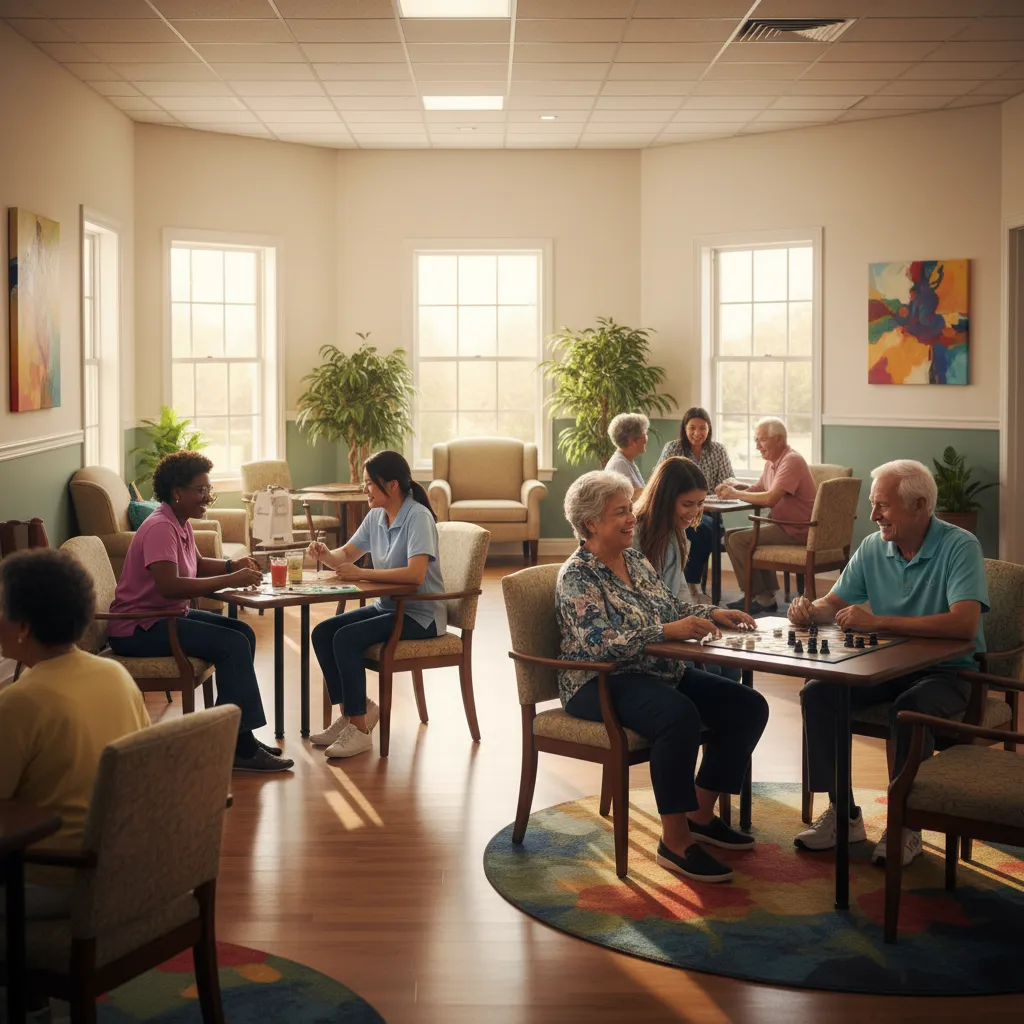
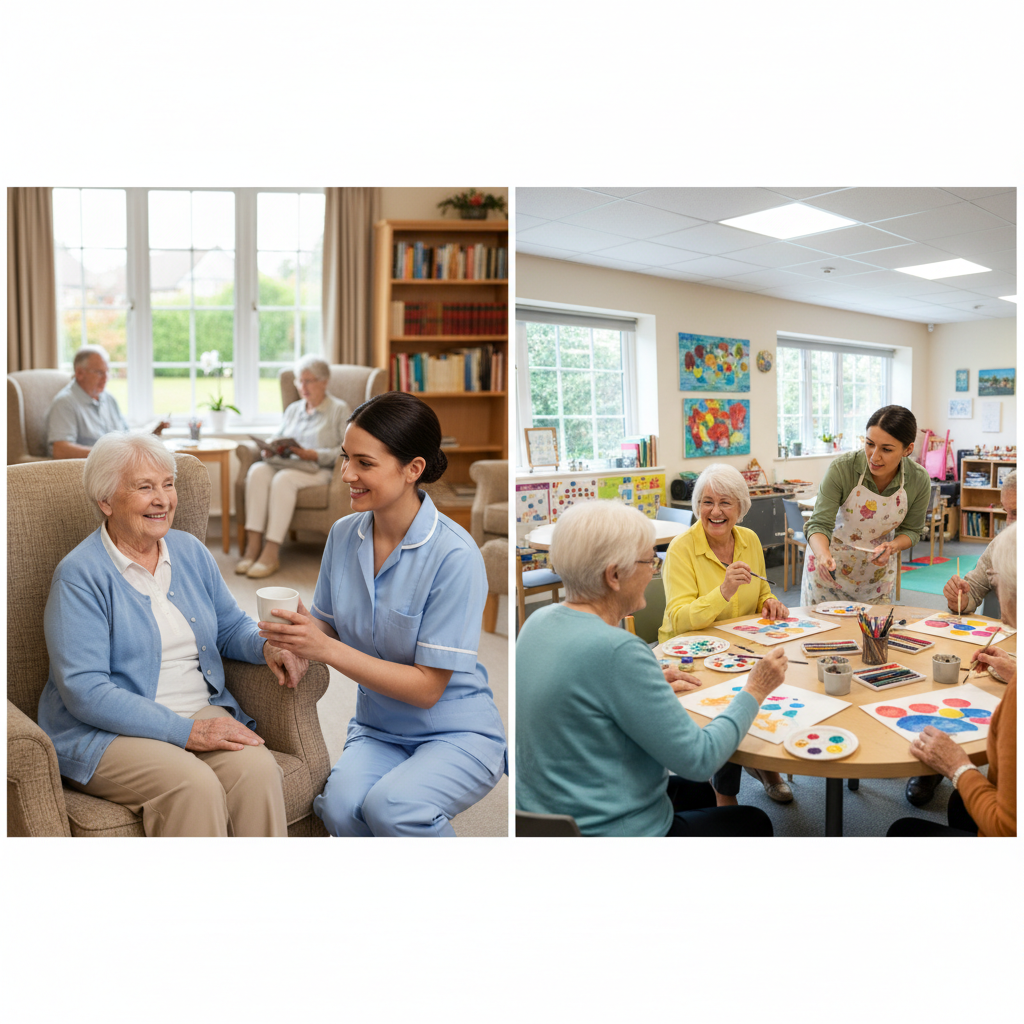
Social models focus on socialization, nutrition, and basic health monitoring. These programs are designed for seniors who are mostly independent but suffer from loneliness or require a safe environment while their primary caregiver is at work. Common activities include arts and crafts, exercise classes, and communal meals.
Adult Day Health Care (ADHC)
Adult Day Health Care is a medical model. These centers are licensed by the California Department of Public Health (CDPH) and provide clinical services. This may include skilled nursing, physical therapy, speech therapy, and medication management. ADHC is typically reserved for seniors with chronic conditions or cognitive impairments, such as Alzheimer's or dementia, who require a higher level of clinical oversight.
For those looking to maintain a holistic approach to aging, exploring resources in our Wellness Hub can provide additional strategies for cognitive health and physical mobility to complement these day programs.
Adult Day Care Costs in California
The cost of adult day care in California varies significantly based on the level of care and the geographic region (e.g., the Bay Area and Los Angeles typically command higher premiums than the Central Valley).
Average Daily and Monthly Rates
According to Genworth's Cost of Care Survey, the national median cost for adult day care is approximately $84 per day. However, in California, costs for medical-model ADHC can be substantially higher due to the inclusion of clinical staff.
While a specific state-wide average for 2024 social day care is unknown, most private-pay centers in California range from $60 to $120 per day. Medical-model centers often bill by the hour or through insurance, which can either lower the out-of-pocket cost for the family or increase the total bill depending on the coverage.
Factors Influencing Price
- Staff-to-Client Ratio: Centers with higher staffing levels for memory care often charge more.
- Transportation: Some California centers include shuttle services in their flat fee, while others charge per trip.
- Meal Plans: Costs vary depending on whether the facility provides three meals a day or only a light snack.
- Location: Urban centers in San Francisco or San Diego typically have higher overhead costs, which are passed to the consumer.
Insurance and Payment Coverage in California
Paying for adult day care entirely out-of-pocket is a challenge for many families. Fortunately, California offers several pathways for financial assistance and insurance reimbursement.
Medi-Cal (Medicaid)
Medi-Cal is the primary source of funding for Adult Day Health Care (ADHC) in California. For those who qualify based on income and asset limits, Medi-Cal may cover the full cost of medical day services. It is important to note that Medi-Cal typically covers the Medical model (ADHC) rather than the Social model.
To qualify, the individual must usually meet both financial eligibility and a level-of-care requirement, proving that they need the services to avoid institutionalization in a nursing home. According to the California Department of Health Care Services (DHCS), the state focuses on community-based services to keep seniors in their homes longer.
Medicare
A common misconception is that Medicare pays for adult day care. Generally, Medicare does not cover adult day care or social day programs. However, if a senior is attending a medical day center for specific rehabilitative services (like physical therapy) following a hospital stay, Medicare may cover those specific clinical components.
The PACE Program
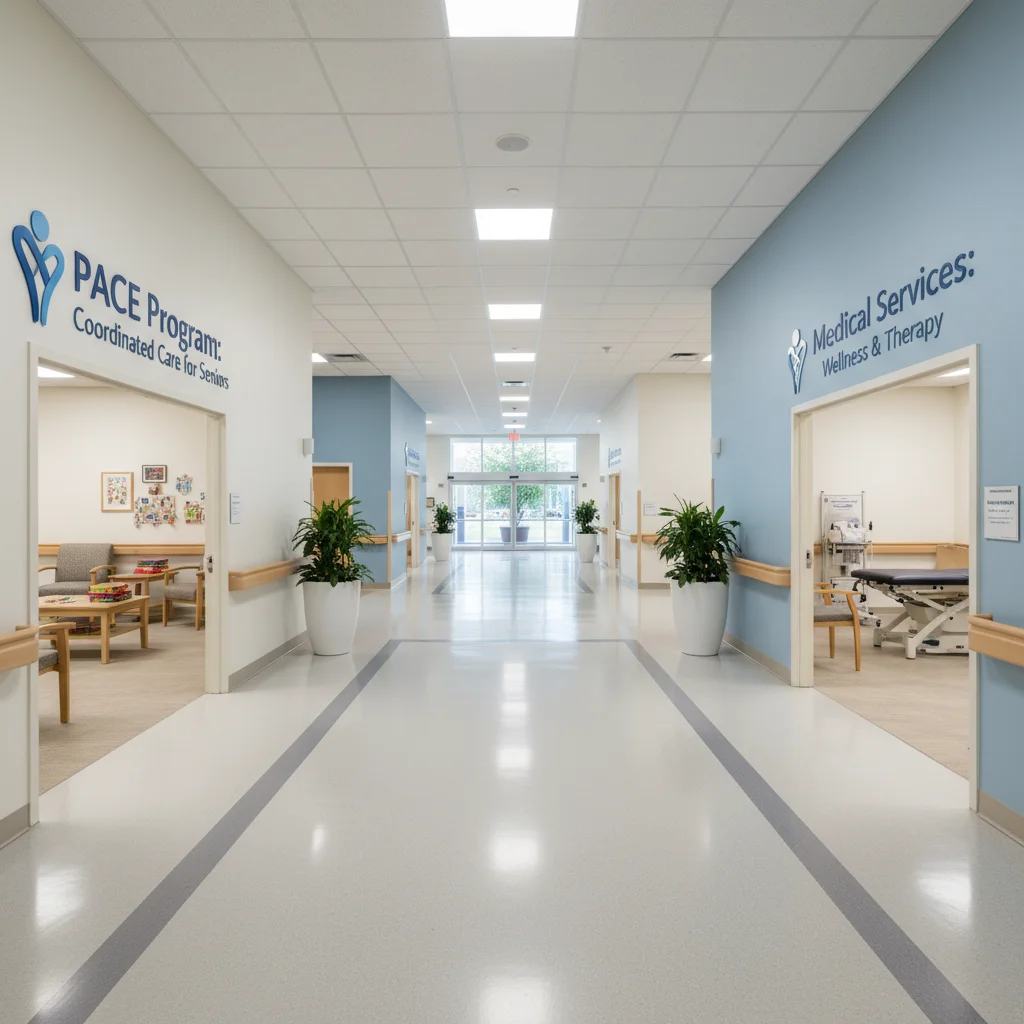
The Program of All-Inclusive Care for the Elderly (PACE) is a highly effective option in California. PACE is a joint Medicare and Medi-Cal program that provides a comprehensive suite of services to seniors who are certified as needing nursing-home level care but wish to live at home.
Under PACE, the adult day center is the "hub" of the program. The cost is covered by the program, and it includes medical care, social services, and transportation. This is often the most affordable "all-in" option for low-to-moderate income seniors with complex health needs.
Long-Term Care (LTC) Insurance
Some private LTC insurance policies cover adult day care. When reviewing a policy, look for "community-based services" or "adult day care" in the benefits section. These policies usually provide a daily stipend that can be applied toward the cost of the center.
Veterans Benefits
Veterans may be eligible for assistance through the VA. The VA's Geriatrics and Extended Care programs often provide respite care or grants that can help offset the cost of adult day services for disabled veterans or those with service-connected disabilities.
Choosing the Right Program: A Checklist for California Families
With so many options, selecting a facility can be overwhelming. Because California has specific licensing requirements, it is essential to verify the status of any center you consider.
Verification and Licensing
First, determine if the facility is licensed. Medical ADHCs must be licensed by the California Department of Public Health (CDPH). If you are looking at a social model, check for local city or county permits.
Questions to Ask Facility Directors
- Staff Training: Are the caregivers trained in dementia and Alzheimer's care? What is the ratio of staff to seniors?
- Emergency Protocols: What is the plan for medical emergencies or natural disasters (e.g., wildfires or earthquakes)?
- Nutrition: Are they equipped to handle specific dietary restrictions (e.g., low-sodium or diabetic-friendly meals)?
- Activity Variety: Is there a balance between structured activities and "down time"?
- Trial Periods: Do they offer a one-day or one-week trial period to see if the senior acclimates well?
Signs of a High-Quality Center
A quality California adult day center should feel like a community, not a clinic. Look for a variety of sensory activities, clean and odor-free environments, and staff who engage with the seniors using their names. If a center seems overly restrictive or "sterile," it may not provide the social stimulation required to prevent cognitive decline.
Benefits of Adult Day Care for Caregivers
While the focus is often on the senior, the "sandwich generation" (adults aged 45-65) derives immense value from these programs. Caregiver burnout is a significant risk in California's high-stress urban environments.
Respite and Mental Health
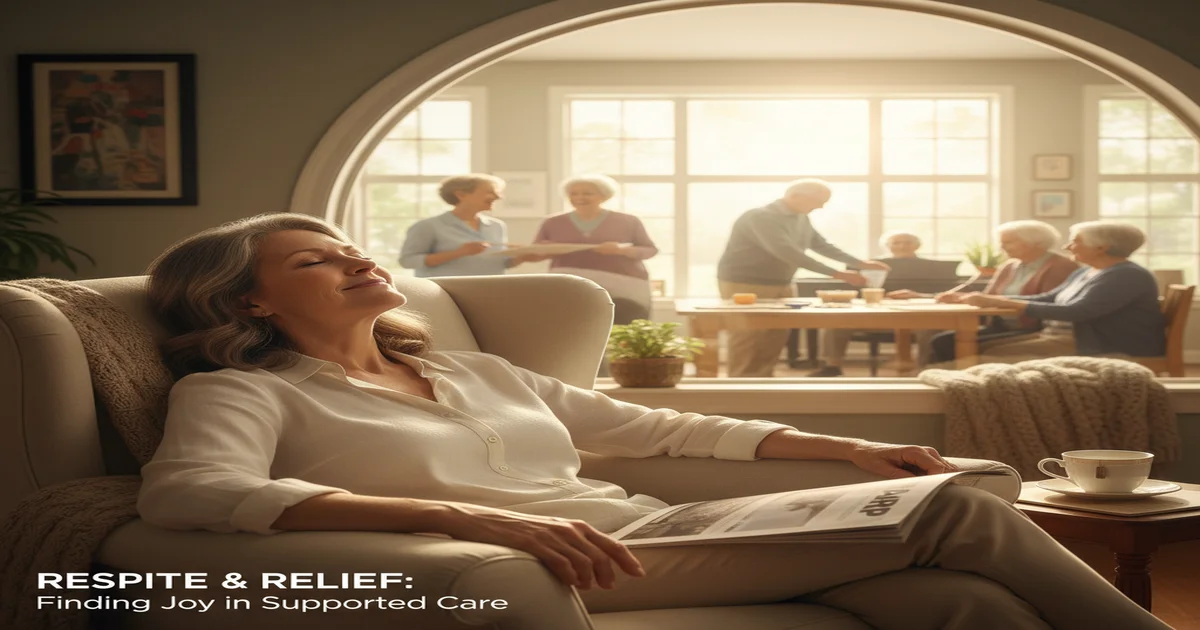
The ability to step away for 6-10 hours a day allows caregivers to maintain their professional careers and personal health. This "respite" is not merely a luxury; it is a medical necessity for the caregiver to avoid chronic stress and depression.
Reduction in Institutionalization
One of the most significant benefits of ADC is that it delays the transition to a skilled nursing facility. By providing medical support during the day, families can keep their loved ones at home for years longer than they otherwise could. This not only preserves the senior's dignity and preference for home but also saves the family significant costs, as nursing home care in California is among the most expensive in the nation.
Summary Table: Comparison of Care Models
| Feature | Social Adult Day Care | Adult Day Health Care (ADHC) | PACE Program |
|---|---|---|---|
| Primary Goal | Socialization & Companionship | Medical Care & Rehabilitation | Comprehensive Home-Based Care |
| Medical Staff | Minimal (usually a nurse/ CNA) | High (MDs, RNs, PTs) | Integrated Interdisciplinary Team |
| Licensing | Local/County | CDPH (State) | State & Federal (CMS) |
| Primary Payer | Private Pay / Some Grants | Medi-Cal / Private Pay | Medicare & Medi-Cal |
| Ideal For | Independent seniors, early dementia | Chronic illness, physical disability | Nursing-home eligible seniors |