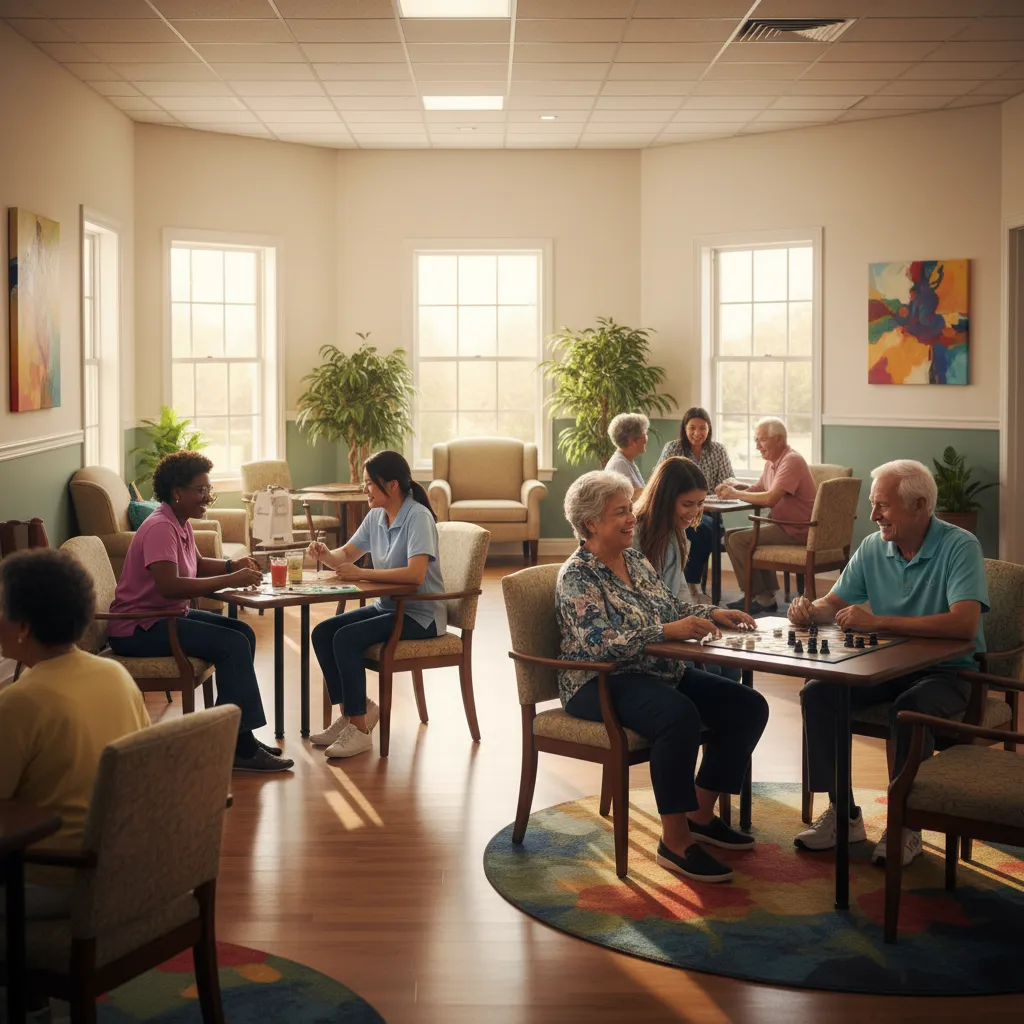
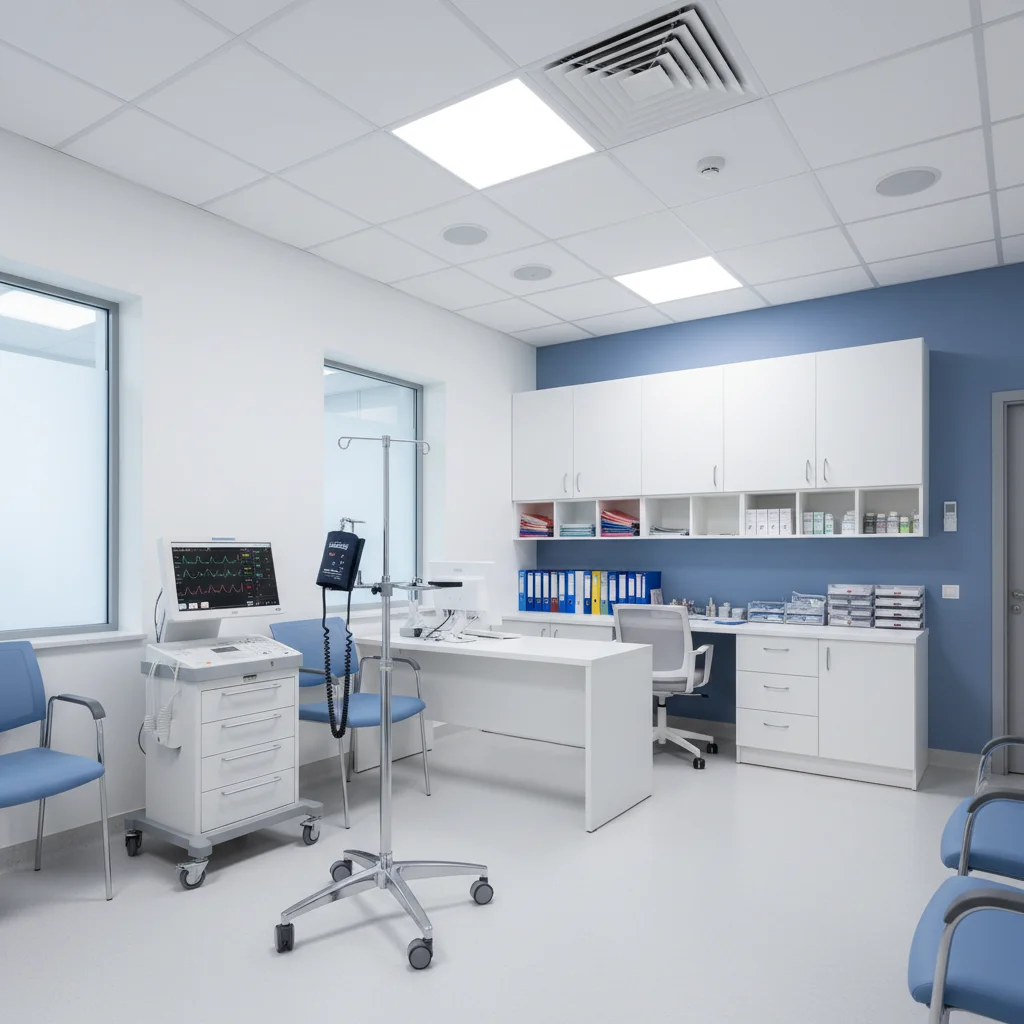
Opening an adult day care center is a significant undertaking that combines a passion for elder care with a complex business operation. Whether you are planning a social model (focused on companionship and activities) or a medical model (providing nursing and therapeutic services), the financial requirements vary wildly.
Understanding the adult day care start up cost is essential to ensure your facility remains solvent during the critical first 12 to 24 months of operation. Because these facilities must adhere to strict health and safety regulations, the initial investment is often higher than a standard retail business.
Facility and Real Estate Expenses
The physical location is often the largest upfront expenditure. Depending on whether you lease or purchase, your initial capital requirements will shift, but the requirements for the space remain stringent.
Leasehold Improvements and Accessibility
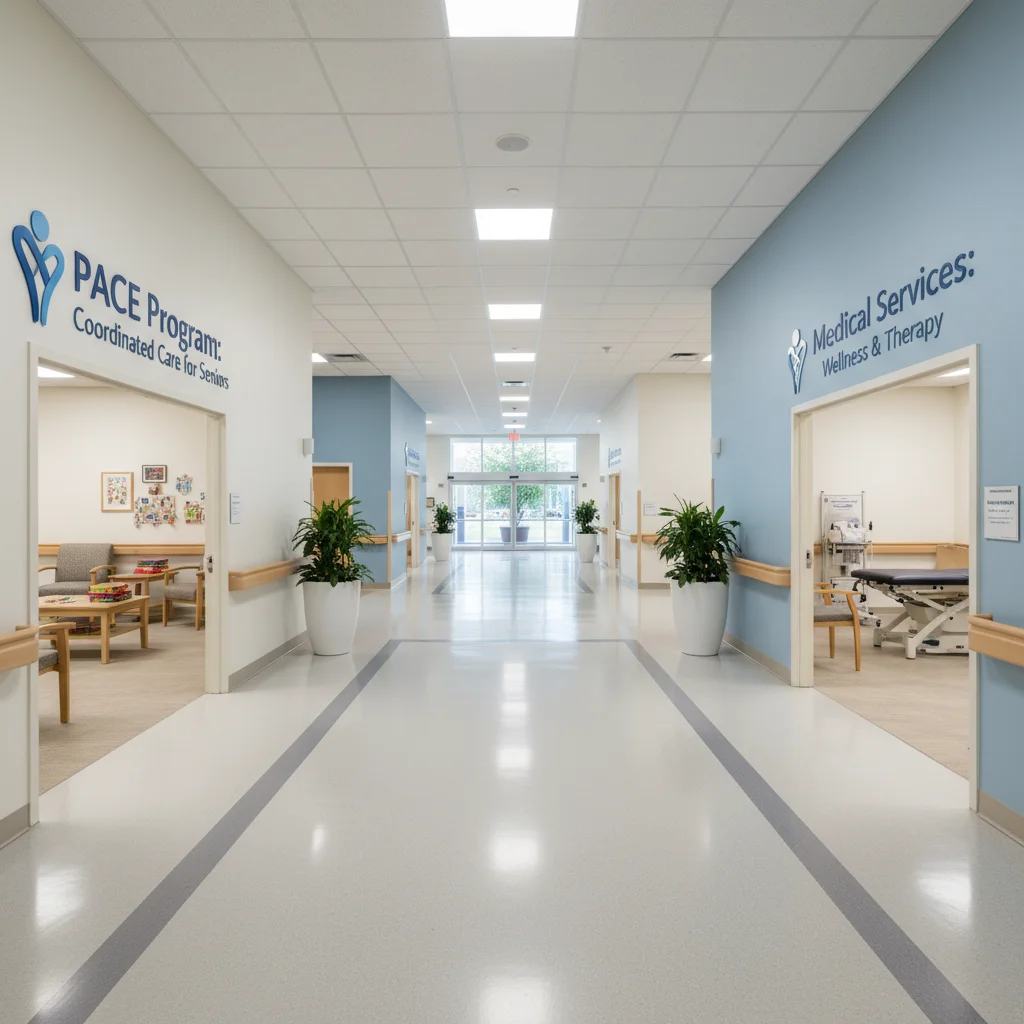
Adult day care centers must comply with the Americans with Disabilities Act (ADA). If you are renting a commercial space, you will likely need to invest in "build-outs." These include:
- ADA-Compliant Restrooms: Installing grab bars, widened stalls, and roll-in showers.
- Ramps and Entryways: Ensuring zero-threshold entries for wheelchairs.
- Flooring: Replacing carpet with non-slip, commercial-grade vinyl or polished concrete to prevent falls and allow for easy sanitation.
Space Requirements
While specific requirements vary by state, you generally need a large common area for socialization, a separate quiet room for resting, and a designated area for medication administration. Costs for these modifications can range from a few thousand dollars for minor updates to six figures for a full gut-renovation.
Equipment and Furnishings
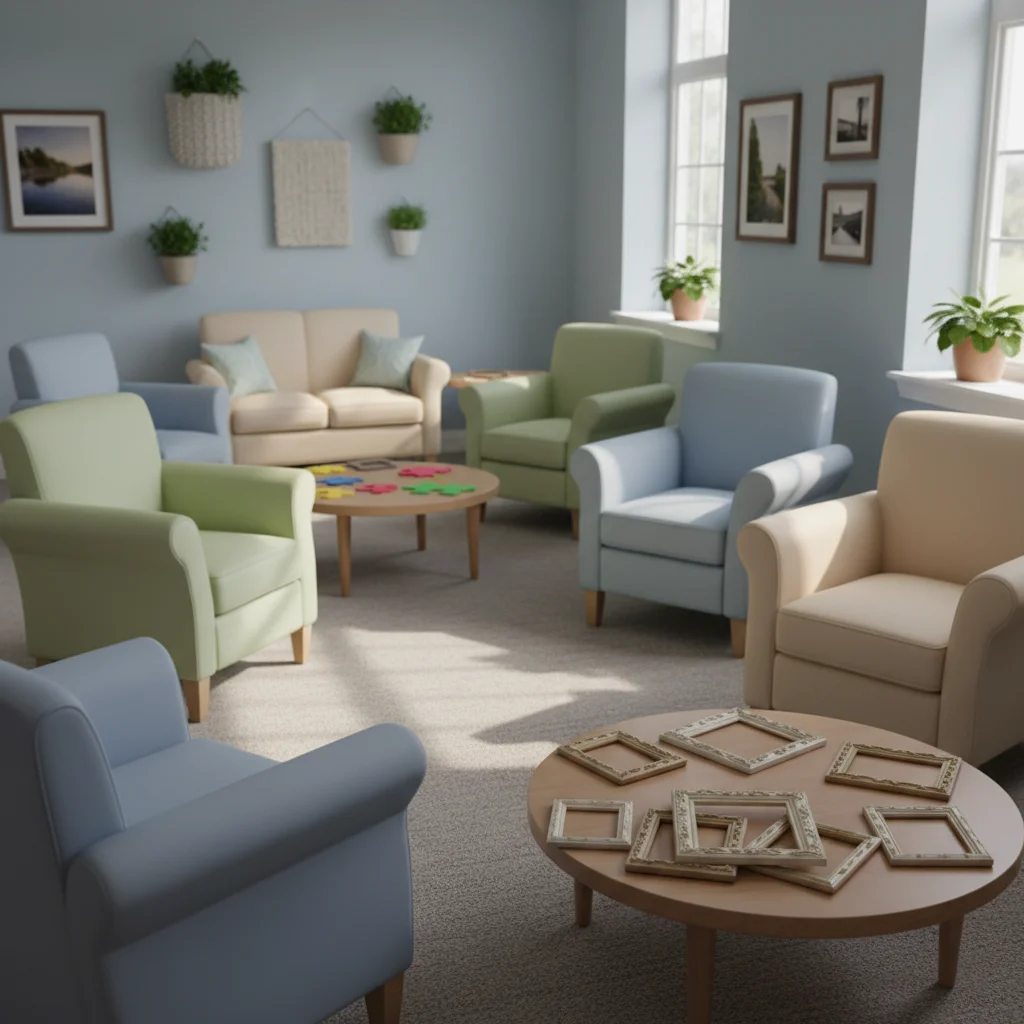
Outfitting a center requires a balance between clinical functionality and a home-like atmosphere. To maintain a high standard of care, you must budget for both specialized medical gear and general comfort.
Specialized Care Equipment
For medical-model centers, the equipment costs are substantial. You will need:
- Patient Lifts and Transfer Aids: To safely move seniors from wheelchairs to recliners.
- Blood Pressure Monitors and Glucose Meters: Essential for daily health tracking.
- Emergency Response Systems: Panic buttons and integrated alarm systems.
- First Aid and AEDs: Automated External Defibrillators are often a regulatory requirement.
Furnishings and Activity Supplies
Comfort is key to retention. Budget for:
- Ergonomic Seating: High-back chairs and recliners that allow seniors to stand up easily.
- Activity Tables: Sturdy, height-adjustable tables for crafts, games, and dining.
- Kitchen Equipment: Commercial-grade refrigerators and microwaves for meal preparation, as many centers provide lunch and snacks.
For those looking to enhance the sensory experience of their center, integrating products from the Wellness Hub—such as aromatherapy diffusers or specialized lighting—can improve the mood and cognitive engagement of participants.
Licensing, Legal, and Insurance Costs
You cannot legally operate an adult day care without the proper certifications. The process of getting licensed is not just a bureaucratic hurdle; it is a financial one.
Licensing Fees
Each state has its own licensing board. Fees for the initial application and the subsequent inspection can vary. In some jurisdictions, you may be required to pay a bond to ensure the facility meets state standards.
Legal and Consulting Fees
It is highly recommended to hire a healthcare consultant or an attorney specializing in elder law to:
- Draft the Admission Agreement and Liability Waivers.
- Develop a Policy and Procedure Manual that meets state health department guidelines.
- Ensure compliance with HIPAA (Health Insurance Portability and Accountability Act) for patient privacy.
Insurance Premiums
General liability insurance is insufficient for this business. You will need:
- Professional Liability (Malpractice): Protects you if a caregiver is accused of negligence.
- General Liability: Covers slip-and-fall accidents.
- Workers' Compensation: Mandatory for all employees.
- D&O Insurance: Directors and Officers insurance to protect the business owners' personal assets.
Staffing and Initial Labor Costs
Staffing is the most significant ongoing expense, but it also represents a major start-up cost due to the need for training and recruitment before the first client even walks through the door.
The Care Team
Depending on your model, your initial hires will include:
- Administrator: To manage billing, compliance, and staffing.
- Registered Nurse (RN) or Licensed Practical Nurse (LPN): Required for medical-model centers to oversee medication and health assessments.
- Certified Nursing Assistants (CNAs) or Home Health Aides: The primary caregivers.
- Activities Coordinator: Someone to plan and execute cognitive and physical engagement.
Training and Onboarding
Before opening, your staff must be trained in:
- Dementia and Alzheimer’s Care: Specialized techniques for managing behavioral symptoms.
- CPR and First Aid: Mandatory certifications.
- Infection Control: Protocols for sanitizing the facility and managing outbreaks.
According to the U.S. Bureau of Labor Statistics, the wages for nursing and caregiving staff vary by region, meaning your labor budget must be adjusted based on your local market competition.
Operating Capital and Cash Reserves
One of the most common mistakes new owners make is spending their entire budget on the "build-out" and leaving nothing for the "burn rate."
The "Ramp-Up" Period
Adult day care centers rarely open at 100% capacity. It takes months, sometimes years, to build a referral network with doctors, hospitals, and social workers. You must have enough cash on hand to cover:
- Payroll: Paying your staff while you only have 5 participants instead of 30.
- Utilities and Rent: Fixed costs that do not decrease as your census grows.
- Marketing: Initial spends on Google Ads, local flyers, and community outreach.
Marketing and Outreach
To attract families, you will need a professional website and potentially a presence at local senior fairs. Budget for:
- SEO and Digital Marketing: To ensure families searching for "adult day care near me" find your facility.
- Brochures and Collateral: High-quality printed materials for physician offices.
Summary of Estimated Budget Categories
While exact totals are unknown without a specific state and square footage, the following table outlines the primary categories you must fund.
| Category | Key Expenses | Priority |
|---|---|---|
| Real Estate | Rent deposit, ADA renovations, flooring, signage | High |
| Equipment | Medical monitors, lifts, ergonomic furniture, kitchen | High |
| Legal/Admin | Licensing fees, attorney fees, business permits | Critical |
| Insurance | Professional liability, general liability, Workers' Comp | Critical |
| Staffing | Recruitment, initial salaries, specialized training | High |
| Working Capital | 6–12 months of operating expenses (Rent, Payroll) | Critical |
Financing Your Start-Up
Given the high initial cost, most entrepreneurs look toward a mix of funding sources.
SBA Loans
The Small Business Administration (SBA) offers loans that can be used for both real estate and working capital. These are often preferred due to lower interest rates and longer repayment terms.
Private Investors
Angel investors or partners who specialize in healthcare may provide capital in exchange for equity. This is often a viable route if you are scaling multiple locations.
Grants
Some state and local governments provide grants for the creation of senior care infrastructure, particularly in "care deserts" where there are few options for aging adults.
Final Considerations for Budgeting
When calculating your adult day care start up cost, always add a 15-20% contingency fund. Unexpected issues—such as a failed fire marshal inspection or a delayed licensing permit—can stall your opening date, forcing you to pay rent and salaries without any incoming revenue.
By carefully mapping out these expenses, you can transition from a visionary caregiver to a sustainable business owner, providing a vital service to the seniors and families in your community.
Sources
- U.S. Bureau of Labor Statistics (BLS): For labor costs and occupational employment statistics. https://www.bls.gov/oess/2023/home.htm
- Americans with Disabilities Act (ADA): For guidelines on facility accessibility and compliance. https://www.ada.gov/
- National Adult Day Services Association (NADSA): For industry standards and model definitions. https://www.nadsa.org/